Creating an FTP Listener with Scapy for Network Security
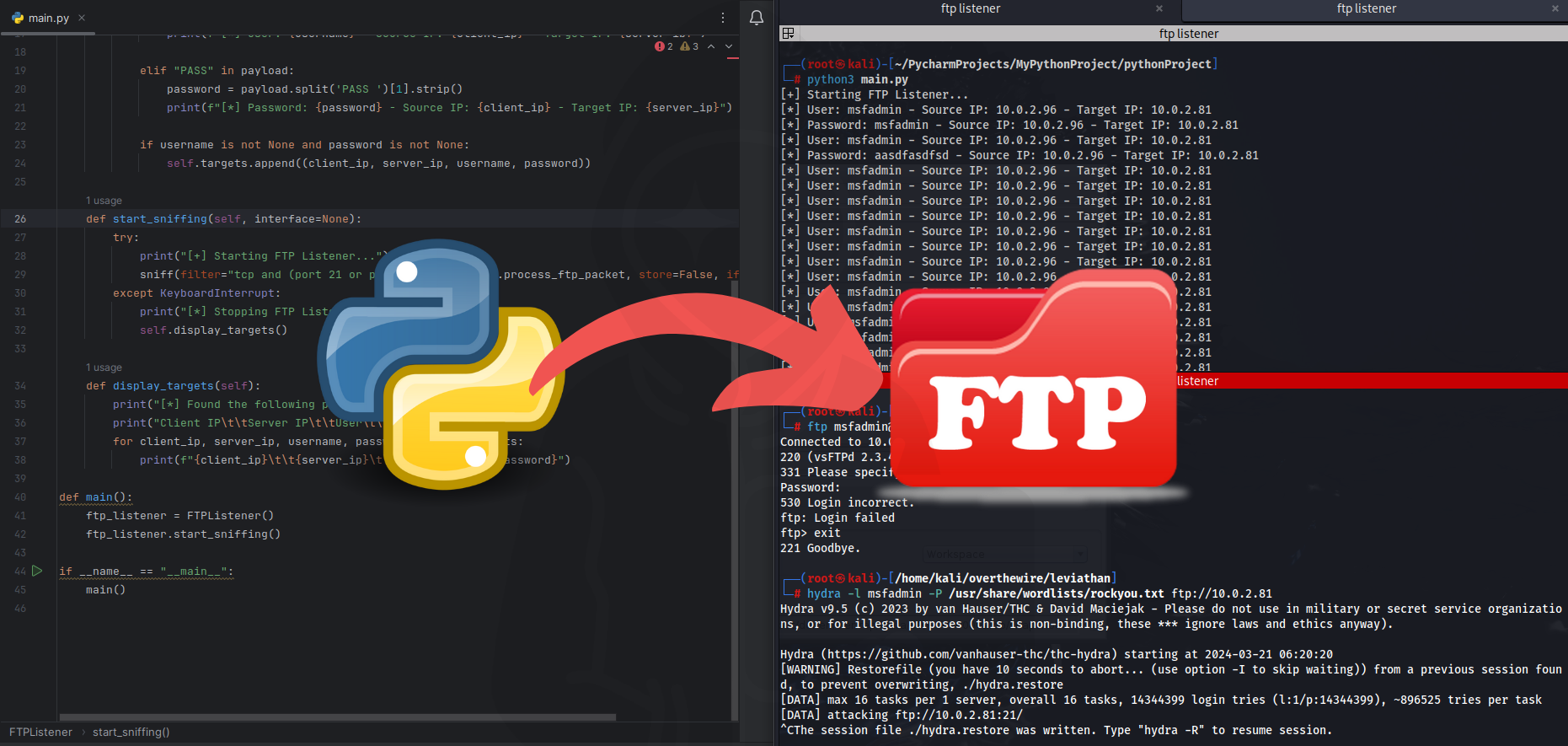
Introduction Network security is one of the foremost priorities for businesses and individuals today. However, when devising network security strategies, employing effective tools to analyze network traffic and identify potential vulnerabilities is also crucial. In this article, we will explore developing an FTP listener application using Scapy, a Python-based tool for listening to network traffic and monitoring FTP (File Transfer Protocol) communication. Learning
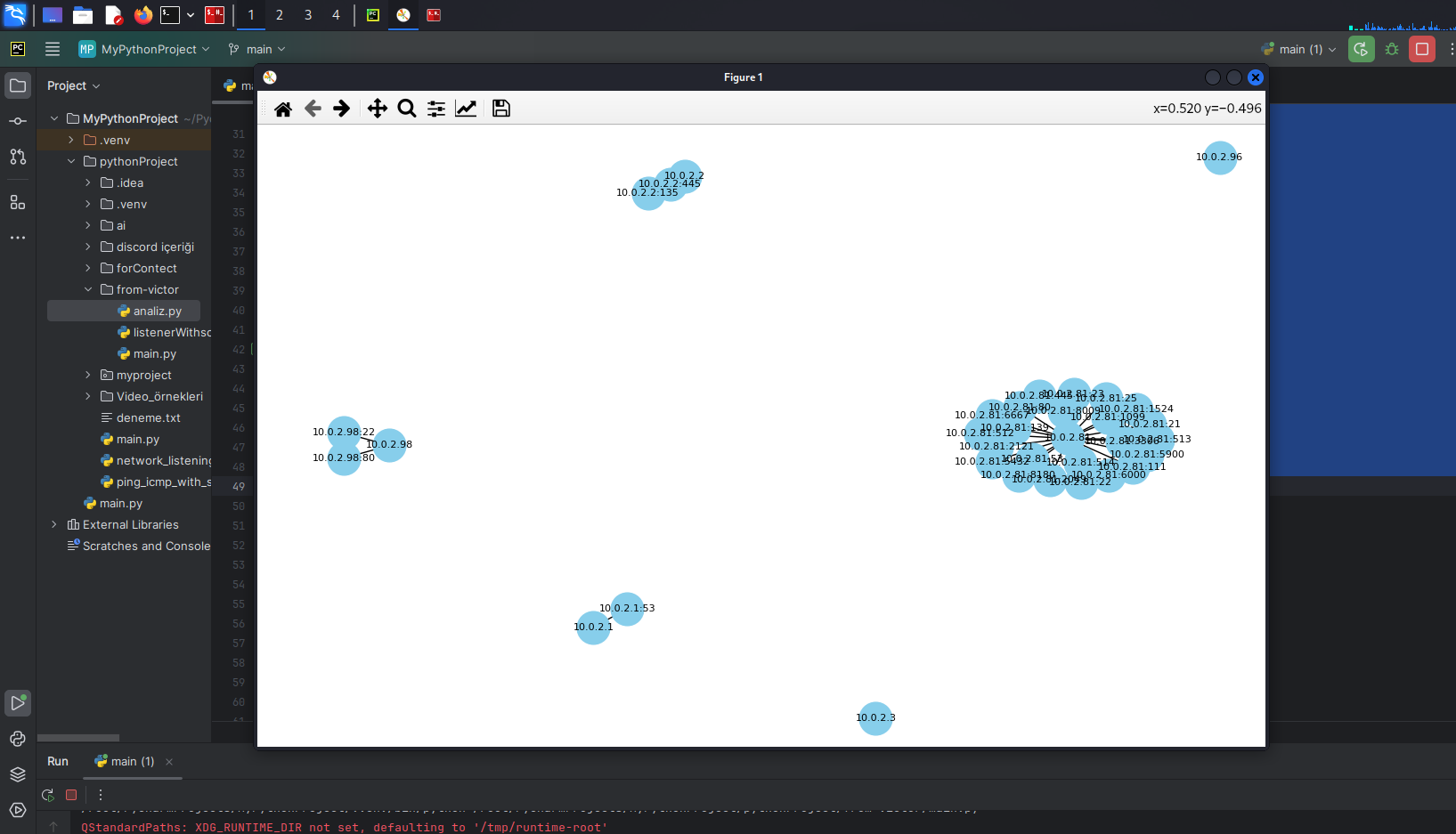
Network Scanning and Visualization: Using matplotlib with Python

Introduction: In today’s world, computer networks form the backbone infrastructure of many organizations. These networks represent a complex structure where multiple devices communicate. However, managing and securing these networks is a critical concern for system administrators. In this article, we will explore how to perform network scanning and discovery operations using Python programming language and popular tools Nmap and NetworkX libraries.

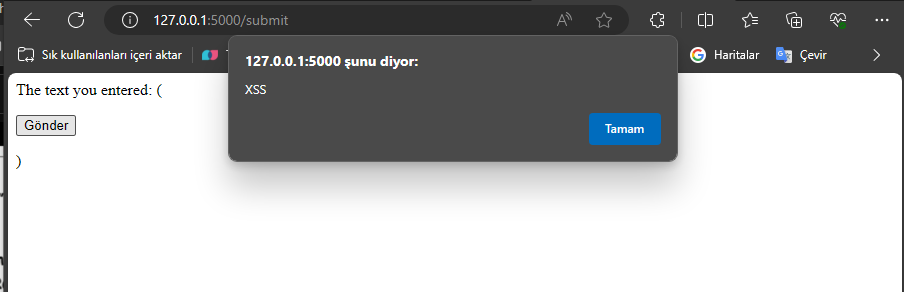
Detecting XSS (Cross-Site Scripting) Vulnerabilities with Python

Introduction: This article focuses on how to detect Cross-Site Scripting (XSS) vulnerabilities in web applications using Python. XSS is a serious security flaw that allows attackers to inject malicious scripts into a web page. Such attacks can compromise users’ sensitive data, steal session cookies, or disrupt the normal functioning of a web application. In this article, we will explore the fundamental principles of XSS

Writing a Keylogger with Python

Introduction In today’s world, where technology is rapidly advancing, information and network security have become more crucial than ever. This article aims to delve into basic computer security concepts and learn how keyboard inputs can be monitored for educational purposes by writing a keylogger. Keyloggers are tools that record all inputs made by a user through the keyboard. While they

Machine Learning in Network Security: Preventing Cyber Attacks

Introduction Cybersecurity has become one of the most critical issues of the digital age. With technological advancements and the widespread use of the internet, the diversity and complexity of cyber threats have also increased. Traditional security systems are becoming increasingly insufficient against these constantly evolving threats, while machine learning technology emerges as a promising solution. With its ability to learn

What is TShark and Why Use It?

What Is TShark and Why Use It

TShark serves as the command-line counterpart to the widely acclaimed Wireshark network analysis tool. While Wireshark offers a user-friendly graphical interface, TShark operates solely through the command line, making it particularly suited for remote or headless server environments where graphical interfaces are impractical or unavailable. With its extensive range of features and robust capabilities, TShark empowers network administrators, security professionals, and system

Linux for Intermediate Hackers: Deepening Your Skills

Introduction As you delve deeper into the realm of intermediate Linux cybersecurity, the complexities of this robust operating system unfold, offering a rich playground for those eager to fortify their digital fortresses. This guide is not just about broadening your Linux knowledge; it’s a step towards mastering the art of leveraging Linux for sophisticated cybersecurity

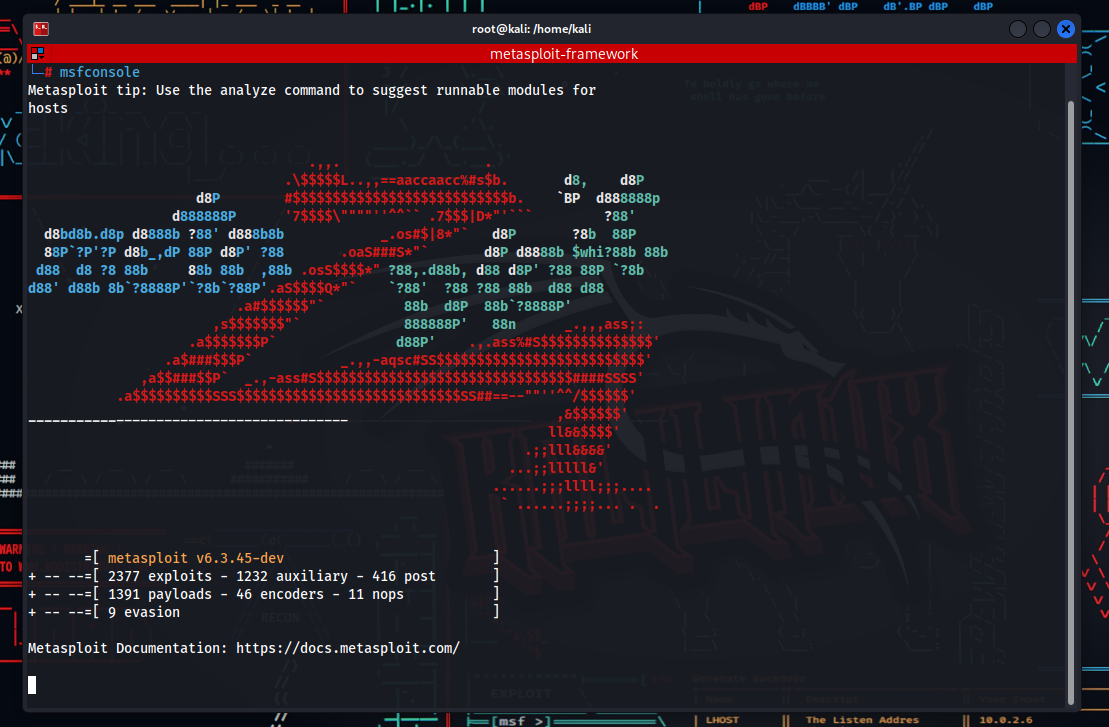
Shell to Meterpreter Transition in Metasploit

Introduction In the intricate world of cybersecurity, the ‘Shell to Meterpreter Transition in Metasploit’ stands out as a pivotal skill for both ethical hackers and security experts. This article provides an in-depth exploration of how to transform a basic shell session into a versatile Meterpreter session within the Metasploit Framework, offering a comprehensive guide for

Harnessing Machine Learning for Enhanced Cybersecurity

Introduction In the rapidly evolving realms of machine learning and cybersecurity, an increasing interplay is reshaping how we defend against cyber threats. This article delves into the utilization of machine learning in cybersecurity, highlighting the synergies and intersections between these two critical domains. Our focus is on how machine learning is revolutionizing cybersecurity strategies and

Shodan Dork Cheat Sheet

Introduction In today’s rapidly evolving digital world, the ability to detect, assess, and mitigate vulnerabilities in internet-connected devices is crucial. Shodan, often referred to as the “Google of IoT,” offers cybersecurity professionals, researchers, and enthusiasts an invaluable tool to explore the Internet of Things (IoT) and beyond. Unlike traditional search engines, which index websites, Shodan uncovers the infrastructure that powers the web—servers, webcams, routers, and more. This Shodan Dork Cheat Sheet will equip