Pyngrok for White Hat Hackers: Rapid Deployment Scenarios in Security Testing

pyngrok for hackers

Introduction Speed, flexibility, and operational efficiency are critical in penetration testing and Red Team operations. Exposing a locally hosted awareness simulation page or testing infrastructure to external target systems typically requires router reconfigurations, port forwarding, or setting up cloud-based virtual private servers (VPS). These administrative obstacles often introduce unnecessary friction and delay execution during time-sensitive engagements. Ngrok eliminates these time-consuming setup steps by

What is TerminalFix Attack: The New Dimension of Social Engineering

What is TerminalFix Attack

Introduction The tactics employed by threat actors evolve rapidly alongside advancements in defensive security controls. A newly uncovered campaign dubbed TerminalFix—identified by Microsoft Threat Intelligence—illustrates how traditional social engineering techniques, when blended with multi-stage technical depth, create severe organizational risk. Targeting enterprise environments across various sectors, TerminalFix exploits human trust to bypass traditional perimeter security and grant attackers persistent access to

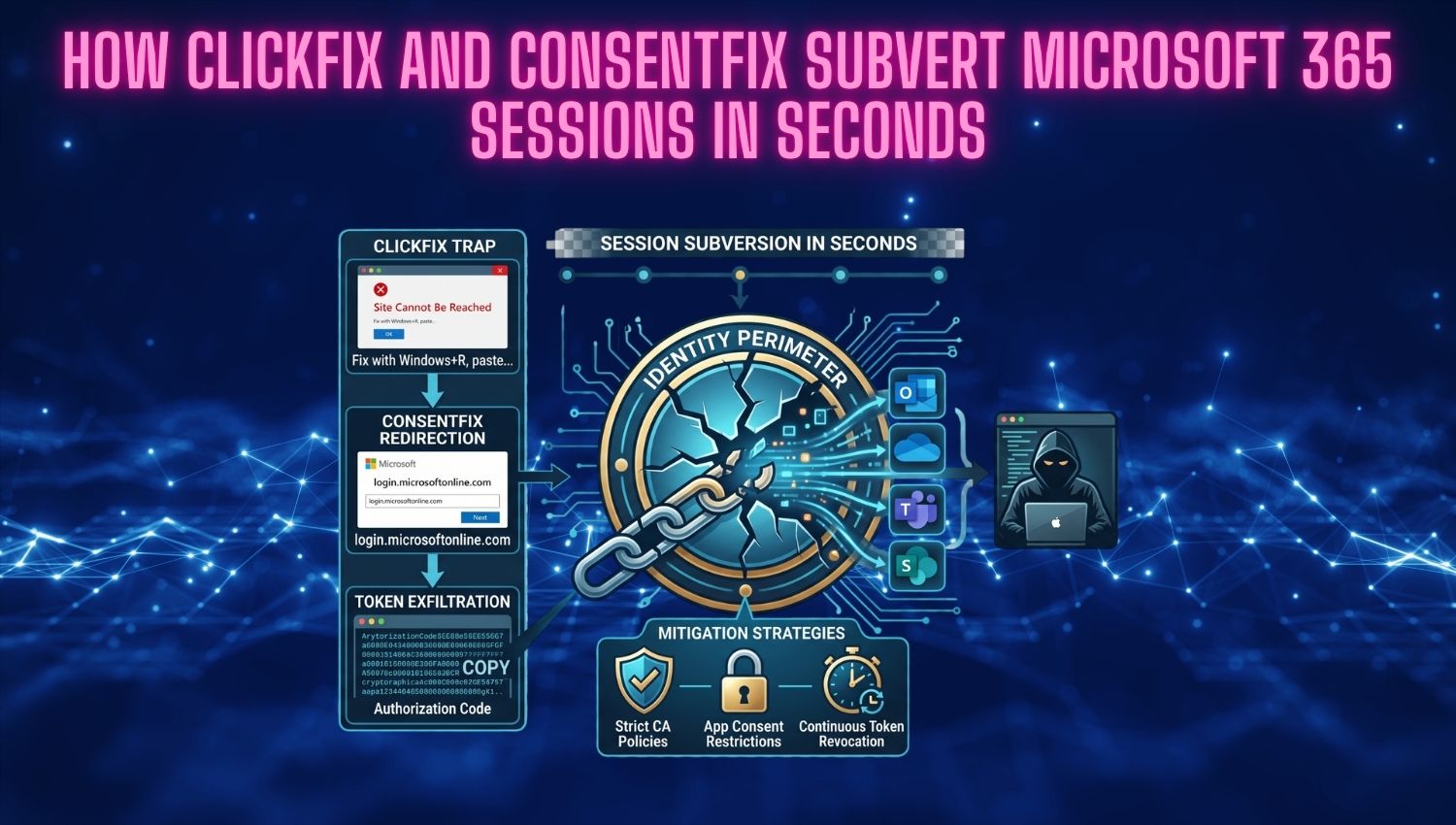
How ClickFix and ConsentFix Subvert Microsoft 365 Sessions in Seconds

How ClIckFIx and ConsentFIx Subvert MIcrosoft 365 SessIons In Seconds

Introduction As organizations fortify their digital infrastructure with robust Multi-Factor Authentication (MFA) and strict conditional access guidelines, threat actors are increasingly shifting away from hacking the systems directly. Instead, modern adversaries exploit the inherent trust mechanisms within legitimate cloud architectures. Among the most dangerous of these emerging threat vectors are the ClickFix technique and its cloud-native evolution, ConsentFix. Operating at the intersection of

What is Pretexting Attack in Cyber Security: Creating Believable Scenarios

What Is PretextIng Attack In Cyber SecurIty CreatIng BelIevable ScenarIos

Introduction Pretexting is a sophisticated social engineering technique where attackers create believable fake scenarios to manipulate individuals into disclosing sensitive information or granting access to systems. Unlike generic phishing attacks that cast a wide net hoping someone will fall for the bait, pretexting is highly targeted and meticulously planned. Attackers invest significant time conducting research on their victims—scouring

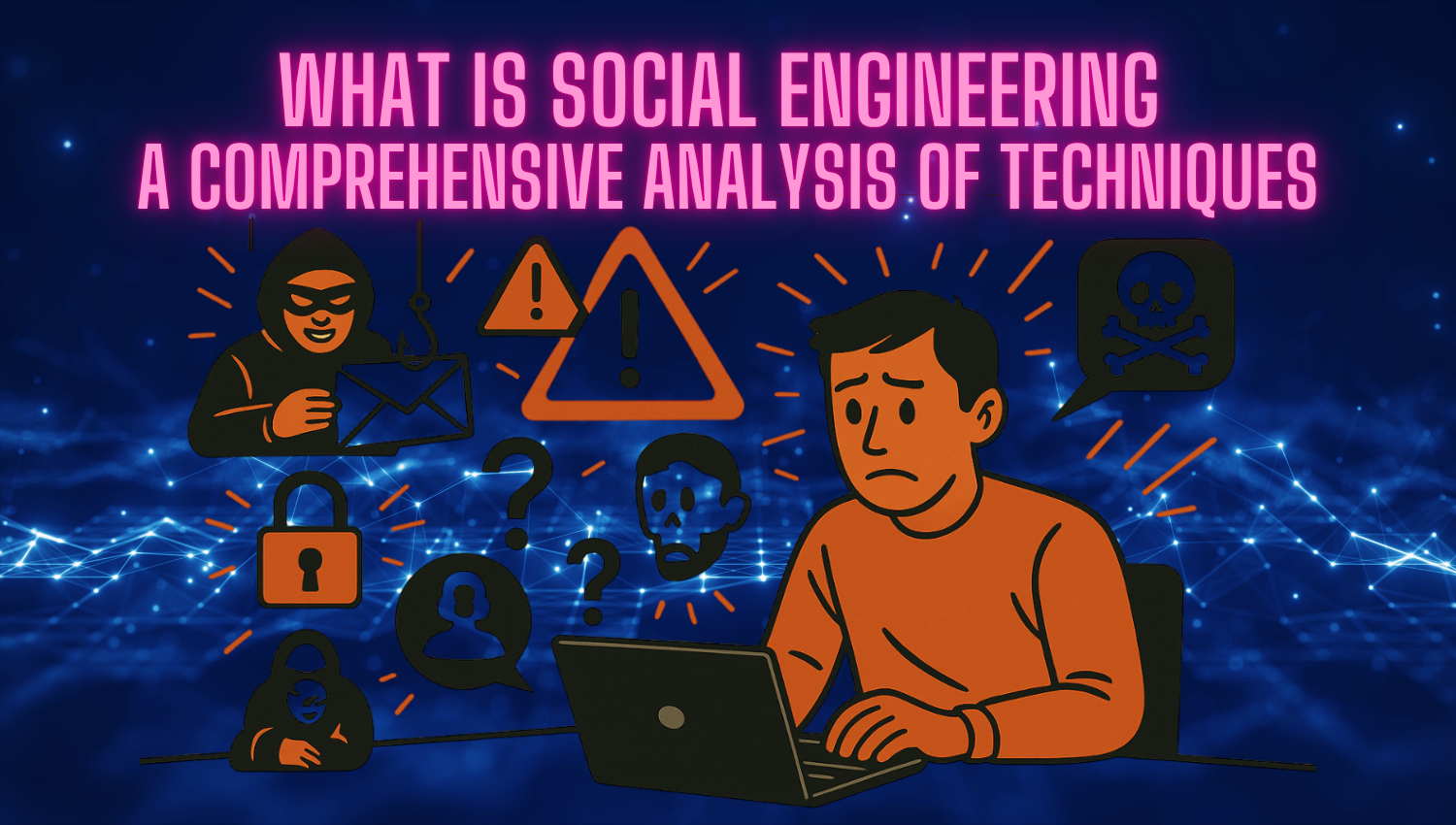
What is Social Engineering: A Comprehensive Overview

What is Social Engineering A Comprehensive Overview

Introduction Social engineering stands out as one of the most effective attack methods in the digital age, targeting the human element—the weakest link in the security chain. Rather than exploiting technical vulnerabilities, these attacks manipulate human psychology and behavior. Attackers aim to gain access to confidential information or prompt specific actions by earning the victim’s trust or deceiving them. Especially

What is Baiting in Cyber Security: Understanding and Protection

What is Baiting in Cyber Security

Introduction Baiting is one of the most deceptive and effective forms of social engineering in cybersecurity. It manipulates human psychology by exploiting curiosity, greed, or trust to trick individuals into compromising their security. Unlike other cyberattacks that rely solely on technical vulnerabilities, baiting targets the human element, which remains one of the weakest links in cybersecurity. This tactic often involves creating enticing